
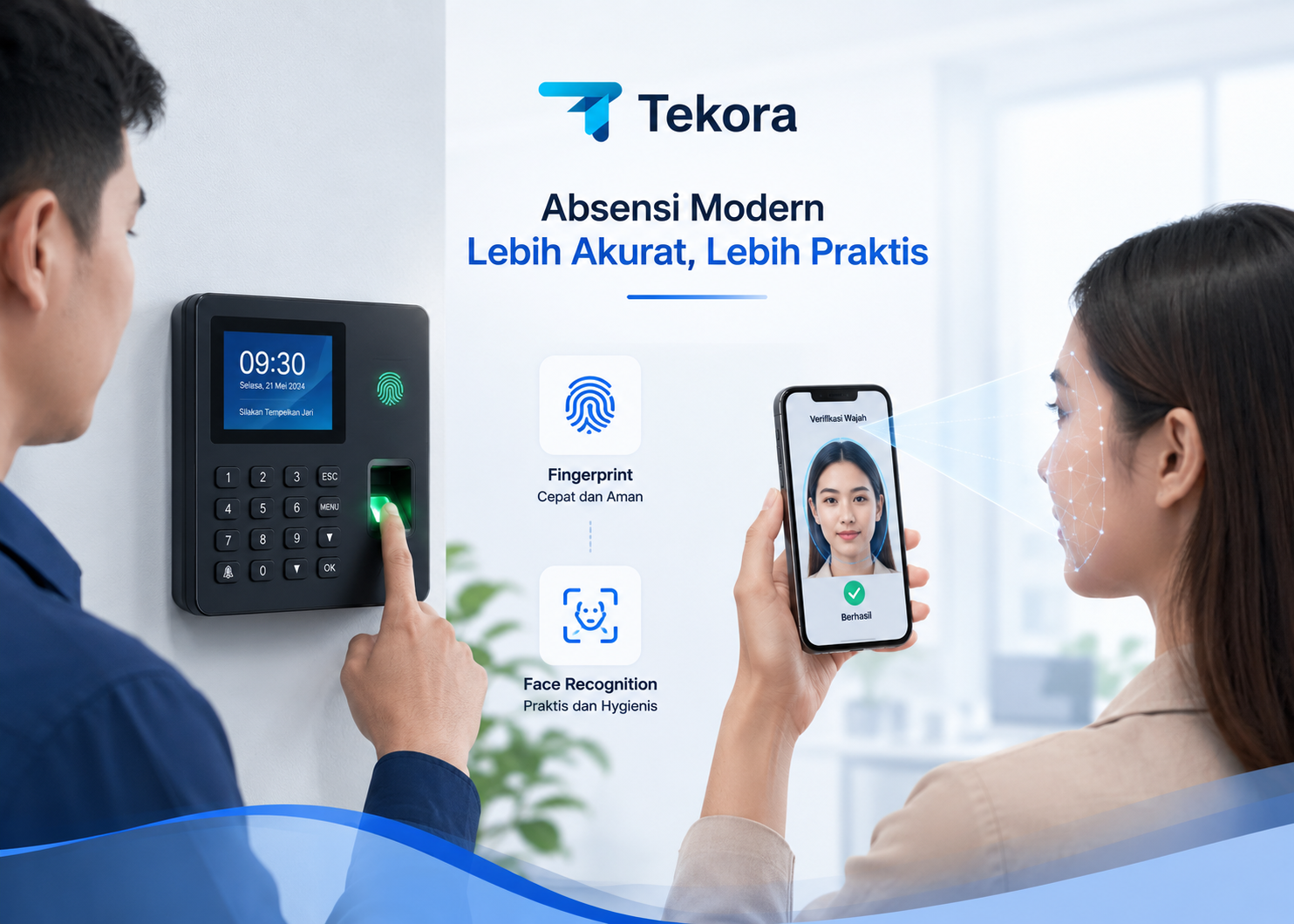
Accurate employee attendance management is an important part of business operations. As modern workplaces continue to evolve, employee attendance software can help businesses record and manage attendance data in a more practical and structured way.
However, every organization has different requirements. Choosing attendance software should not be based solely on the number of features available. Businesses should consider ease of use, operational requirements, data management, and how effectively the system supports everyday HR activities.
Why Do Businesses Need Employee Attendance Software?
Attendance data is an important source of information for workforce management. It can help businesses monitor attendance patterns, manage working hours, and support employee administration.
Compared with manual attendance processes, a digital system can make attendance information more structured and easier to manage. HR teams can also reduce repetitive administrative tasks and spend more time on activities that provide greater strategic value.
If you want to learn more about the benefits of digital attendance systems, read our guide to Employee Attendance Software and Online Attendance Solutions for Businesses.
5 Things to Consider Before Choosing Attendance Software
1. Ease of Use
Attendance software should be easy for both employees and administrators to use. A complicated system can make implementation more difficult and reduce the overall user experience.
A simple interface, clear navigation, and an easy attendance process can help businesses adopt the system more effectively.
2. Fit with Business Requirements
Every organization has different working arrangements and operational requirements. Businesses should understand their current attendance process before selecting a digital solution.
- How will employees record attendance?
- How will HR monitor attendance?
- Does the company have remote or hybrid employees?
- How will attendance data support administration?
- What reports are required by HR and management?
Understanding these requirements helps businesses choose software that supports actual workflows rather than simply selecting a system with a large number of features.
3. Structured Data Management
Attendance data should be stored and managed in a structured way so that it can be easily accessed when needed. A well-organized system can help administrators reduce manual data entry and processing.
Proper data management also makes it easier for businesses to retrieve attendance information for operational and administrative purposes.
4. Attendance Reporting and Monitoring
Reporting is an important part of an attendance system. HR teams and managers need information that is easy to understand when monitoring employee attendance.
Before selecting software, consider whether its reporting capabilities match the organization's requirements and support efficient attendance monitoring.
5. Flexibility as the Business Grows
Businesses can grow and change their working arrangements over time. Workforce size may increase, work locations may change, and internal policies may evolve.
For this reason, businesses should choose attendance software that can adapt to these changes without making administrative processes unnecessarily complicated.
Common Mistakes When Choosing Attendance Software
One common mistake is choosing software simply because it offers a large number of features. More features do not necessarily mean that a solution is the best fit for a particular business.
Businesses should also consider the user experience. If employees find the system difficult to use, the digital attendance process may become less effective.
It is also important to make sure that the selected system supports existing workflows rather than creating additional administrative work.
Start with Business Needs, Not Features
The best approach to selecting attendance software is to start with the organization's problems and requirements. Identify which processes are still handled manually, what challenges occur most often, and what information HR and management teams need.
Then compare those requirements with the capabilities of available solutions. This approach can help businesses make a more focused decision that fits their operational environment.
Conclusion
Employee attendance software can help businesses manage employee attendance and workforce data in a more structured way. However, selecting the right system should not focus only on the number of available features.
Ease of use, business requirements, data management, reporting, and flexibility are important factors to consider when evaluating an attendance solution.
By defining business requirements first, organizations can select a digital attendance solution that better fits their operations and supports more efficient workforce management.